Insulation plays a vital role in keeping your home at a desirable temperature. Not only that, but it also saves homeowners money by reducing the strain on heaters and air conditioners to keep the house warm or cool. Attic insulation shows the most benefits. There are two popular types of insulation for attics: fiberglass and cellulose. If you’re struggling to decide between fiberglass vs. cellulose insulation, we are here to help with a bit of information on both.
Fiberglass Insulation
Commonly pink in color, this material can be eco-friendly, as it is made with new or recycled glass! This affordable type of insulation provides several benefits. It’s effective at resisting flames and, of course, insulating homes. It also has some drawbacks. For example, fiberglass insulation doesn’t do well in the extreme cold compared to its cellulose counterpart.
Cellulose Insulation
Cellulose is a 100% eco-friendly insulation choice — it’s simply recycled newspaper with chemical treatments to make it flame-resistant! This type of insulation tends to reduce airflow, unlike fiberglass. In other words, cellulose reduces heat loss more effectively than fiberglass because it prevents treated air from leaking out of the house. It’s also a little easier to install than its fluffy-looking counterpart. Cellulose tends to also perform better in low temperatures.
The Bottom Line
And the winner is… both! Fiberglass and cellulose are fantastic insulators with wonderful qualities, including affordability. Our Cincinnati, OH roofers are happy to help you determine which is best in the battle between fiberglass vs. cellulose insulation. In fact, we understand what to do when getting new leads in this area. Call us at 513.563.9988 for your attic insulation replacement or installation today!


 Barriers – The position of fixtures, such as neighboring buildings, fences, trees, etc. can significantly decrease the severity often damage caused in a hail storm.
 UV rays break down the shingles over time, destroying the oils that keep them flexible. Once this oil is gone, the shingles become parched, brittle, and begin to crack easily. They might also fade, or begin to warp around the edges. Shingles with curled-up sides are a sure sign of damage.
 A Sustainable Solution
 A Big Ball of Ice
 It is no secret that wind, hail, and old age can damage your roof, but have you prepared your roof to withstand snow damage? Snow can affect your roof in a number of ways, so actively preparing your roof to withstand the rigors of winter weather is important to keep it standing strong all season long. Here we walk through the basics of how snow can damage your roof to help you counter the negative effects of an otherwise enjoyable winter weather treat!
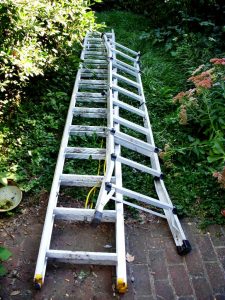 Inspecting your roof is part of the routine maintenance that every homeowner should undertake to preserve their roof and maximize its potential lifespan. One of the most effective ways to inspect your roof is to get on top of your roof and take a look around. To get on your roof, you will need to climb a ladder.