Blog

What Happens if You Don’t Clean Your Gutters?

Cincinnati Gutter Cleans Gutters to Keep Them From Overflowing.

How often should gutters be cleaned?

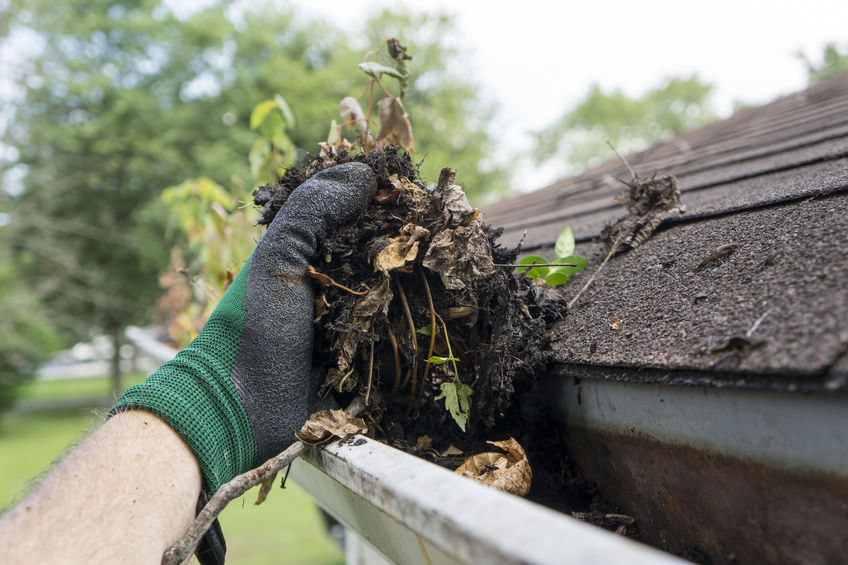
If you are a homeowner you’ll need to clean your gutters so water will channel freely to your downspouts and clear it from your roof and home. How often you clean your gutters depends on many variables, including where you live and what kinds of trees you have around your home. At the very least, you should clean your gutters at least twice a year, usually in the spring and then again in the late summer or fall. If you have trees like pines that shed leaves and needles often, you may want to clean your gutters more frequently, about every 3 months or so. You also want to keep your gutters clear of ice during the winter to keep the ice from damaging the roof.

Why gutter cleaning is important

You may wonder why it’s necessary to clean your gutters so frequently or even at all. Here are some reasons why gutter cleaning is important:

  • Clogged gutters can cause roof leaks or water damage to both the interior and exterior of the home as rain water and snow melt will get backed up and begin to overflow if the gutters are not clear.
  • Heavy debris and ice can cause your gutters to pull away from the house. Gutter sags like this can cause the gutters to collapse and lead to expensive repairs.
  • Clogged gutters provide a good spot for rodents and pests to nest and can lead to mold growth.
  • Overflow allows water to get closer to the house, which can affect the foundation and landscaping.

If your gutters are clogged and you need gutter cleaning Cincinnati, OH, you can call 513-563-9988 for quality gutter cleaning service.

Clogged gutters can be just as detrimental to your home as clogged drains are to pipes. If you have clogged drains, you may want to get help from a drain cleaning service, if the clog is severe.

Who can clean my gutters?

It’s not necessary to enlist a gutter cleaning service to clean your gutters. If you have a ladder and a hose and don’t mind getting your hands dirty, you can clean your gutters yourself. But,  a gutter cleaning service like those offered by Cincinnati Gutter & Roof Protection will ensure your gutters and downspouts are thoroughly cleared of debris and can also make repairs if necessary.

What does gutter cleaning include?

Whether you do it yourself or have a professional gutter cleaning service clean your gutters, the job should be thorough. It should include cleaning out the leaves and debris, and bagging that waste. Once the leaves and debris are cleared out, the gutters and downspouts should be flushed. You might also want to have the gutter cleaning service inspect and tighten fasteners and make other repairs if possible.

How do you tell if your gutters need cleaning?

If your gutters are clogged, when it rains, the water will stop being diverted away from the home. You can usually tell there is a clog present because the gutters will overflow and water will spill over the sides of the gutter. If you are seeing animals like mice running around or birds nesting in the gutters, it’s time to have the gutters cleaned. If you notice the gutter is sagging and has pulled away from the roof, you have a large amount of debris that’s built up and needs to be cleared away. If your gutters are sagging it may be time to replace them.

How do I keep my gutters clean?

The key to cleaning your gutters, whether you do it yourself or get a gutter cleaning service, is to make sure all branches, twigs, leaves and other debris are cleared off your roof first before you clear it from the gutter itself. Because most of the debris comes from trees, trimming back branches will help keep the gutters clear. Install leaf guards or gutter guards. These covers will prevent a majority of the debris from collecting inside the gutter.

Gutter cleaning and repair

Once your gutter is cleaned, it’s always wise to make sure your gutter is in good repair. You can check for areas that may have leaks or other damage like dents. Leaks can be sealed, but dented sections may need to be replaced so water flow will not be obstructed. If you have multiple leaks or have gutter sags, you will probably need to get the gutter replaced. A gutter cleaning service like Cincinnati Gutter & Roof Protection may also provide repairs.
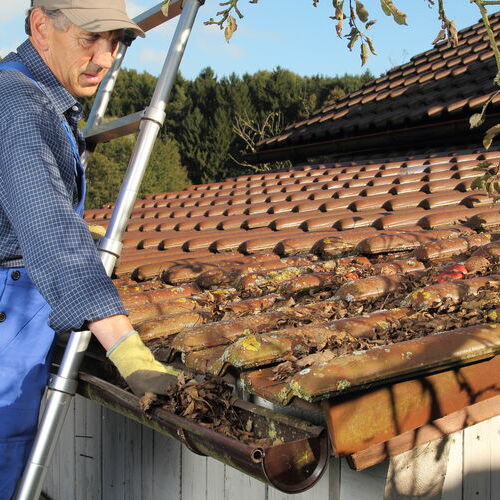
Cincinnati Gutter Uses Ladders as an Essential Tool for Gutter Cleaning.

Gutter cleaning equipment

The main equipment you will need is a ladder and a hose and something to scoop the debris out of the gutter. You will probably also need a broom to sweep the roof beforehand. Some other gutter cleaning tools you may want are extendable high pressure nozzle attachments for your hose, along with brushes to clean around corners and down the down spout. You may also want to get tools to tighten fasteners to keep your gutters secured to the roof.

If you have clogged gutters and need a gutter cleaning service in Cincinnati, OH, then rely on the professionals at Cincinnati Gutter & Roof Protection and give us a call at 513-563-9988 to schedule an appointment.

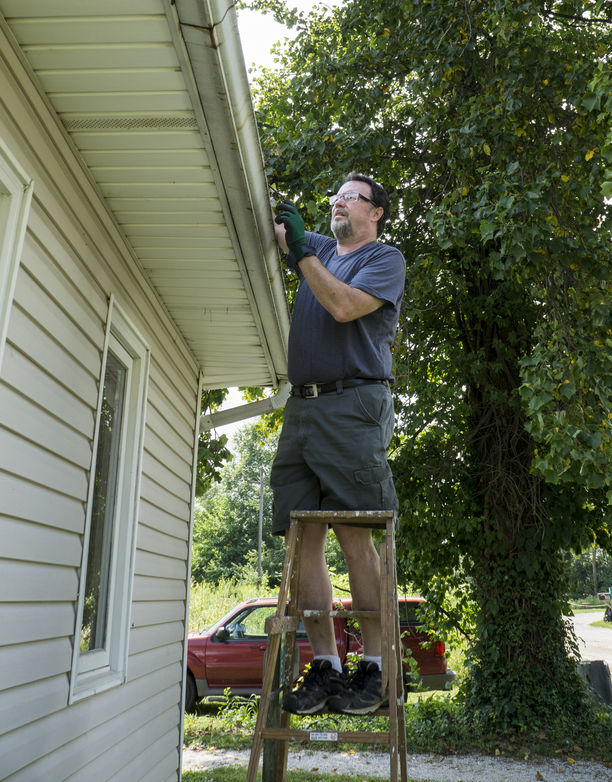
How do I get algae off my roof?

Don't ignore dark spots on your roof! It could be algae growth and buildup.

Roof Algae Growth

Algae growth on residential roofing is a serious matter and should not be ignored. When left alone, algae can cause shingles to deteriorate and rot, leaving your roof decking and home unprotected from the elements. Removing, preventing, and maintaining your home from roof algae don’t have to be labor intensive tasks. There are many steps that can be done by reliable roofing companies, like Cincinnati Gutter & Roof Protection. To protect the roof shingles on your Cincinnati, OH, contact Cincinnati Gutter & Roof Protection. We provide all kinds of prevention services, including algae prevention roof shingle installations. Call us today, 513-563-9988, to discuss these roof shingles for your home.

Roof Algae Types and Prevention

When considering removing and preventing algae growth on your roof, there are several options. But first, it’s important to understand what kind of algae can spawn on your roof. Knowing this can not only help you in the removal process, but also in the prevention process as well.

Roof Algae Types

There are typically two types of algae that grow in between and on roof shingles: black algae and green algae. Either can be identified because of distinctive properties. We want to provide you the tools to look for either black or green algae so you know what to do should you find them on your roof.

  • Black Algae: Black algae can be identified by dark, black water stains on roofing material. It can also cause what is called extractive bleeding. This causes asphalt shingles to lose color, appearing as though something has streaked across it.
  • Green Algae: Green stains and patches of green algae are often a little easier to identify. They clearly stand out more so than black algae can. Green algae, like black algae, can grow in between and on asphalt shingles, creating a bed of green. It can become very slippery so use caution if you are on your roof inspecting for it.

Algae is often mistaken for moss, but the two are actually different. Believe it or not, finding algae on your roof is considered better than finding moss. Algae is easier to remove and prevent, whereas moss takes quite a bit of effort. Additionally, algae is easier to prevent with several cost-friendly options.

Let our team install algae resistant shingles today.

Roof Algae Prevention Tips

When it comes to preventing algae, there are in fact several things homeowners and roofers can do. All of these options have been tested and show clear signs of decreasing and eventually preventing algae growth.

  • Atlas Shingles: investing algae resistant shingles are one sure way to prevent algae growth. These particular shingles, offered and installed by Cincinnati Gutter & Roof Protection, are made with a Scotchguard Protector, which help resist algae growth and staining.
  • Copper or Metal Strips: If algae resistant roof shingles are not something you’re interested in, the roof algae prevention strips are another great option. You’ll see around the roof flashing, algae is not present. It can’t grow around that surface. So these strips are good for preventing future growths.
  • Consistent Maintenance: One of the best ways to prevent future roof algae growth is to consistently and regularly maintain your roof. Scheduling inspections and cleanings will ensure that algae, mold, and more cannot grow and damage your roof. More importantly, keeping trees trimmed back from the roof will be a great help as well.

Preventing and maintaining your roof are critical to the overall condition of your home. In many cases, homeowners may be under the impression they need an air conditioner replacement because it seems their A/C system is not cooling their house effectively. The real culprit could actually be algae that has damaged your roof, causing a loss in insulation and protection. This is why regular maintenance is so important. For reliable roof maintenance and roof shingle protection in Cincinnati, OH, turn to Cincinnati Gutter & Roof Protection.

Frequently Asked Questions

  • Does algae resistant shingles work?
    • They do. The ones offered by Cincinnati Gutter & Roof Protection have a Scotchguard Protective layer that resists moisture buildup, which prevents algae and moss from growing.
  • What is the best cleaner for roof shingles?
    • Realistically, the best cleaner for roof shingles is a 50/50 mixture of bleach and water.
  • What kills algae on shingle roofs?
    • Bleach. The inexpensive option for cleaning roof algae with bleach is actually to use a 50/50 mixture of water and bleach and spraying it on the shingles. Don’t use a pressure washer, though!
  • What causes algae to grow on roofs?
    • Water moisture that isn’t drained or ventilated from roof structures. The algae spores like dark, damp places like gutter and downspouts.
  • Why do houses grow algae?
    • Because there is not enough ventilation, which creates damp grounds for algae and moss to grow.
Our team specializes in roof algae prevention. Contact us today for more information.

Contact Our Team for Reliable Service

Don’t stress over algae growths on your roof. Rely on Cincinnati Gutter & Roof Protection to effectively prevent future growth and damage. Let our team come in to install preventative roof shingles for your Cincinnati, OH home. Call our office today at 513-563-9988 to schedule an appointment.
Getting Back to Normal After Storm Damage

A Tree Trunk is Still Lying on a Metal Roof

Make Sure the Surrounding Trees are Healthy and Trimmed Away From the Roof.

Extreme winds, rain, and hail can all inflict terrible damage on home valuables and property. Learning how to protect your home from storm damage could save you hundreds, even thousands of dollars in the event of a traumatic storm. Unfortunately, not everyone knows what to do to protect their property from the elements.

Today, we’ll list out some crucial steps homeowners can take after a property is impacted by storm damage. We’ll then provide some valuable tips on how to protect your home in the event of nasty weather. Afterward, you’ll have a clear plan for safeguarding your home and your finances from storms.

What to Do After Storm Damage

While the trauma and expenses inflicted by hail damage is certainly frustrating, repairing the damage is actually pretty simple. On the other hand, water degradation is a completely different ball game, deteriorating your wooden roof supports, ruining insulation, staining your ceiling, and even promoting the growth of mold spores. When it comes to fixing storm damage, time is of the essence. Take pictures as you inspect your property.

What to Inspect Following a Storm

  • Shinglescurling, dimples, dents, cracks
  • Guttersleaks, splashing, loose connection
  • Fascia Boardscorrosion, rotting
  • Soffitcorrosion, rotting, blocked vents
  • Sidingpockmarks, loose boards
  • Ground by Wallshigh puddles
  • Attic Spacemoist supports, dripping, stained ceiling
  • Garage or Basementflooding, burnt out sump pump
  • Drivewayloose chunks, deep cracks

A Roof is Covered With Small Hail Stones

Hail Damage is Typically Covered by Homeowners Insurance, But Beware Subsequent Water Damage!

Unless your shingles are rated highly for impact resistance, there’s a good chance a hail storm will inflict at least a little damage. Keep an eye on your gutters and fascia board. Leaks and loosened connections will spill water around the walls, endangering your foundation. Along with healthy siding, your fascia is important for blocking moisture and bugs from getting at the inside of your house. Besides, if you can get your insurance to cover the costs of your Cincinnati residential painting service, isn’t it worth taking time to document the damage?

A rental home damage checklist should cover some of the same areas, even if you aren’t responsible for fixing the damage. If you spot any trauma to the siding boards or roofing, this could spell potential disaster for other parts of your house or apartment. Basically, you’re aiming to keep moisture (and bugs) out of your rental property.

Insurance Coverage

Is Storm Damage Covered by Homeowner’s Insurance?

Most home insurance policies will cover unpreventable damages caused by the elements. Hail, severe wind, lightning, heavy rain, and ice all fall within the scope of homeowner’s insurance (again, for most policies). There are certain parts of your property beyond the house that may be included in your policy.

Does homeowners insurance cover driveway damage? The driveway is typically considered an extension of your home and therefore part of your policy coverage. This is an area that is often overlooked by homeowners, so make sure to give it a look-over after the next major storm.

Not Covered

What is Not Covered Under Homeowner’s Insurance?

There are some notable exceptions to this general coverage that you need to be aware of.

  • Foreseeable/Preventable Damage
  • Flooding (Sewer or Hurricane)
  • Earthquakes

If an insurance adjuster finds evidence that you could have prevented some or all of the damage inflicted to your home, there’s a good chance you won’t see a full payout. Take falling tree damage, for instance. If a healthy tree is blown onto the roof by extreme wind, it’s considered an unforeseeable incident. However, if the tree was sickly and clearly about to fall over, you could be liable for the subsequent rooftop & structure damage. Flooding and earthquakes are not usually included in basic homeowner policies, but they can be purchased as add-ons.

Future Protection

How Can I Protect My Home From Storm Damage?

Basic maintenance and repairs prevent the vast majority of trauma during a storm. Choosing the right materials for your local climate is also essential. If your neighbors are constantly submitting hail storm damage on home insurance policies, it would be prudent to install premium impact-resistant shingles. Should you install metal roofing, you’ll probably even qualify for a policy discount.

Keep an eye open for that preventable damage! If you have a dying tree next to the house, don’t wait for a costly emergency to get it removed. The same can be said for any degraded part of your roofing system. Regular inspections can help you identify weak points in your roof and address them before the storm clouds roll in. Finally, if you live in an area that floods on a regular basis, consider installing a sump pump (and a backup) to protect your home.

Schedule Your Storm Damage Repairs Today!

If nasty weather has damaged your roofing system, call our team at Cincinnati Gutter & Roof Protection for storm damage repair in Cincinnati, OH! We will be happy to answer any question you have about inspections or the repair process. You can reach our team at 513-563-9988!.

What Is the Best Insulation for the Attic?

Technician Spraying Blown Fiberglass Insulation Between Attic Trusses

Find Out What Types of Attic Insulation Are the Best.

One of the most important things you can do for your home is getting attic insulation. With attic insulation, you are able to decrease cooling and heating bills, have better indoor air quality, protect your home’s structural integrity, increase the comfort in your home, and reduce HVAC repairs. Because of what attic insulation can do, everyone always wants to know what types of attic insulation are the best. The types of attic insulation will vary and so will there benefits, so it’s important to weigh all factors.

Types of Attic Insulation

  • Batts: The most common type of insulation you will find on the market is batt insulation. By intertwining, long fibers, they are made into rolls that are easier to take from house to house to install. There are a couple of times of batts, which are cotton, fiberglass, and Rockwool. In terms of insulation for an attic, it’s probably not the best choice.
  • Blown: In order to apply this type of insulation, you take a hose and spray down the areas that you want to be insulated in your attic. There are two types of blown insulation to choose from, which are cellulose and fiberglass.
  • Spray: Spray foam insulation is another type of attic insulation. This attic insulation also comes in two forms, open cell and closed cell. It can stop air and water from moving in, but it can be expensive.

At Cincinnati Gutter & Roof Protection we offer blown attic insulation installation in Cincinnati, OH. For residential plumbing services or roofing, you need a professional who knows what they are doing, so to get expert attic insulation services, call us at 513-563-9988.

Impact Resistance and What it Means for Your Home

Impact Resistance

Hail Protection is a Matter of Degrees. See if Your Roofing is Rated High for Impact Resistance!

Every year, hail strikes effect millions of Americans and cost billions of dollars in damages. For homeowners with shingle roofing systems, it can feel like your stuck in a cycle of repairing your tattered roof just in time for the next storm. Fortunately, there are roofing materials with enough impact resistance to completely protect your home from hail strikes. 

What are Impact Resistant Shingles?

First of all, it’s worth mentioning that there are numerous types of shingle roofing available on the market, including…

  • Traditional 3 Tab Asphalt Shingles
  • Architectural (Laminate) Shingles
  • Metal Shingles Systems
  • Composite Shingles Installations
  • Synthetic Shingles (Faux Wood, Tile, and Slate)
  • Natural Wood Shingles

All of these materials have a certain level of impact resistance, though some are too weak to be marketed as “impact resistant.” Basic (non-reinforced) 3-tab asphalt shingles, for instance, will most likely crack or tear when faced with a high-velocity hail impact. Most 3-tab shingles would not qualify as Class 1 impact resistant (the lowest level).

Class 4 impact resistant materials, such as Atlas roof shingles, offer the highest level of protection form hail strikes. In the majority of cases, Class 4 materials should not crack or tear when subjecting to the force of falling hail.

Are Architectural Shingles Impact Resistant?

The laminate installation and layering process of architectural shingles enables them to withstand extreme wind forces. While they offer better impact resistance than traditional 3-tab shingles, most laminate shingles are not designed for hail damage prevention. There are exceptions. Virtually every asphalt-based shingle can be modified during manufacturing for higher impact resistance. If you’re considering architectural shingle installation for your home, we highly recommend making sure your material choice is augmented with a higher impact resistances rating.

Get Your Estimate for Professional Roof Replacement

If you’re looking to install a new roof for your home or business in place of a hail-damaged system, our team at Cincinnati Gutter & Roof Protection would love to help you! You can learn more about our professional roof replacement in Cincinnati, OH by calling us at 513.563.9988!

3 Enhanced Shingles for Stronger Home Protection

Laminate Shingles

Shingles Can Be Enhanced for Stronger Durability and Protection.

Shingles are wonderful! They provide affordable protection for your family and property, with simple installation and replacement requirements. But what if you could take the shingle design that we know and love and augment it for stronger protection and weather resistance? If that sounds fantastic to you, consider these three enhanced shingles!

Shingle Upgrade #1: Laminate

Fused together in protective layers, laminate shingles provide a more durable barrier against rain and wind storms. Many types of laminate (or architectural) shingles employ a second layer of fiberglass to create tougher roofing systems. Because of their layered arrangement, laminate shingles create a multi-dimensional effect that boosts curb appeal. You’ll be able to find these materials in numerous colors and styles, providing many opportunities to find your own unique flair.

Shingle Upgrade #2: Composite

Composite shingle roofs are built for enhanced strength and durability. Often starting with a sturdy fiberglass base, composite shingles then incorporate a top layer of wood or slate to guard against hail and other forms of inclement weather. You can select a top layer that fits your personal design tastes, creating a fun balance of protection and styling.

Shingle Upgrade #3: Impact Resistance

Every year, hail storms cause billions of dollars in damage across America. What if you had a roofing material that could withstand the impact of hail strikes without cracking? That’s where impact resistant shingles come in. These shingles can withstand hail impacts of up to 90mph, ensuring your roof will be storm safe for many years to come.

If you’d like more information about these enhanced shingles or other roofing systems, contact our professional roofers at Cincinnati Gutter & Roof Protection. We’d be happy to answer all of your questions; simply call us at 513.563.9988

Summer Saving Energy Tips

Here at Cincinnati Gutter & Roof Protection we understand that with springtime upon us and the summer heat wave fast approaching, and as a homeowner it can mean a significant spike in your energy bills. However, There are a few things that you can do that will help decrease your energy consumption and help lower your utility bills during the summer months.

The Summer Months Can Be A Drag On Your Budget, But There Are A Few Things You Can Do To Save Money

  1. Inspect your roof regularly for any missing pieces of shingles or debris. If you are missing shingles this can expose your roof to the sun’s harmful ultraviolet rays. So be sure to call the experts at Cincinnati Gutter & Roof Protection to schedule a roof inspection as soon as possible.
  2. Open your windows to help circulate cool air at night and keep out the summer heat. Install window coverings as these will help to prevent hot air from gaining access to your home.
  3. Set your thermostat to as high a temperature setting as is comfortably possible during the summer months. When you leave your house set the temperature to a warmer temperature then when you are home.
  4. Use ceiling fans to cool your home instead of turning on the air conditioner. Ceiling fans can help cool your home by about 4 degrees on average. Remember to turn off the fan once you leave the room so as to save the electricity.
  5. Remember to schedule regular maintenance for your air conditioning unit, as well as your roofing system. Having a technician come and inspect your home will help to prevent or catch any problems before they become bigger issues.
  6. Turn off your home appliances and lighting on hot days to conserve energy and take advantage of natural lighting. Install more modern energy efficient lighting as regular light bulbs give 85-90 percent of their energy off in the form of heat.
  7. Seal your home to keep hot air from seeping into your home. Use weatherstrips or caulk to seal up any loose doorways or window seals.

If you follow these tips and tricks you will notice a significant decrease in your energy bills. If you notice any changes in your energy bill such as significant spikes or increases contact our team of trained professionals at Cincinnati Gutter & Roof Protection when you want to schedule an appointment in Cincinnati, OH.

The Difference Between Composite and Laminate Roofs

Choosing the right type of roof to cover your house and family for decades can be stressful. There are so many types of roofs, and each one has advantages and disadvantages. Here are the difference between composite and laminate roofs.

Composite

Where traditional asphalt shingles are made out of felt, composite roofs are made out of fiberglass. This helps to give off the appearance of wood or slate should the homeowner prefer it. The fiberglass also helps to make the roof quite durable. Composite shingles are fire-resistant and waterproof. Cincinnati Gutter and Roof Protection also provides algae-free composite roofing. Because of the fiberglass, composite shingles don’t warp, peel, or crack. Composite shingles will last up to 50 years.

Upgrade Your Roof With Either Laminate or Composite Shingles.

Laminate

Laminate shingles are made out of the same material that standard 3-tab asphalt shingles are constructed. But in laminate roofs, there is an extra layer of shingles. This helps to provide durability and provide a more 3-D and natural look than the flat appearance that single layer 3-tab shingles provide. Like composite roofs, laminate roofs are made out of fiberglass. Laminate roofs still have asphalt like 3-tab shingles would.

Both types of roofs share many of the same benefits. Both are energy efficient by being a good insulator, are durable to withstand powerful storms, and come in multiple textures and colors which help to boost curb appeal.

To have any questions about installation or the difference between composite and laminate roofs answered, call Cincinnati Gutter and Roof Protection  in Cincinnati, OH at 513- 563- 9988.

Roof Inspections and Why You Need One

Getting a roof inspection is like trying to make it to the doctor once a year for a checkup; nobody wants to do it, but you should. The reason for this is because, if you want something to last, you have to take good care of it. Your roof needs to be looked after especially if you live in places with humidity and intense weather. Your roof is strong, but not invincible. An inspection once a year will allow you to have a professional come and look at your roof and if there is any damage at all, fix it. Usually if the damage is small enough, it can be fixed that day. This will help you avoid things like full roof replacements or expensive major repairs. These kinds of things happen over time and go unnoticed or untreated and then turn into expensive maintenance that could have been avoided with an inspection.

More Reasons To Have an Inspection

Peace of Mind – Peace of mind goes a really long way in your daily life. You already have a million things to worry about when it comes to owning a home, so why not take your roof completely off the table.

Warranty – Many times when you get a new roof, you get a warranty that comes with it. You will usually have to maintain that you get your roof inspected regularly in order to keep this warranty valid.

If you need a roof inspection, call Cincinnati Gutters and Roofing and have one of our professional roofers out to you right away.


Preparing Your Roof For Winter

Winter is in full gear, but it doesn’t mean you cannot still get your roof prepared or learn some new knowledge for next year’s winter. There are many things you can do to keep yourself protected from the harsh weather. Roofs can handle a lot, but they will last even longer if you take care of them like you are supposed to. Here are a few ways that you can start preparing your roof for winter.

3 Tips To Prepare

Preparing Your Roof

Clean Your Gutters – Gutters are a major factor in the health of your roof. If a gutter becomes too full of leaves are dirt it can become very heavy and weigh down on your roof causing serious damage to the side or edges of your roof. This will also damage your gutter which means a higher cost for you in the long run. If you see your gutters filling up, clean them out or hire someone to come out and clean them for you.

Cut Back Branches – If you have a tree that has branches that hang over the side of your roof, it may be time to think about cutting them back. When there is a storm, it can rip branches off trees and throw them right into your roof causing serious damage.

Inspection – It is wise to have an inspector come out to your home once a year to take a look at your roof no matter how new it is. This is a great way to get questions answered and be able to see if there is anything potentially dangerous around your home for your roof. We want you to start preparing your roof for winter as soon as possible.

If you have questions about preparing your roof for the weather changes, give Cincinnati Gutter & Roof Protection a call at 513-563-9988 today.